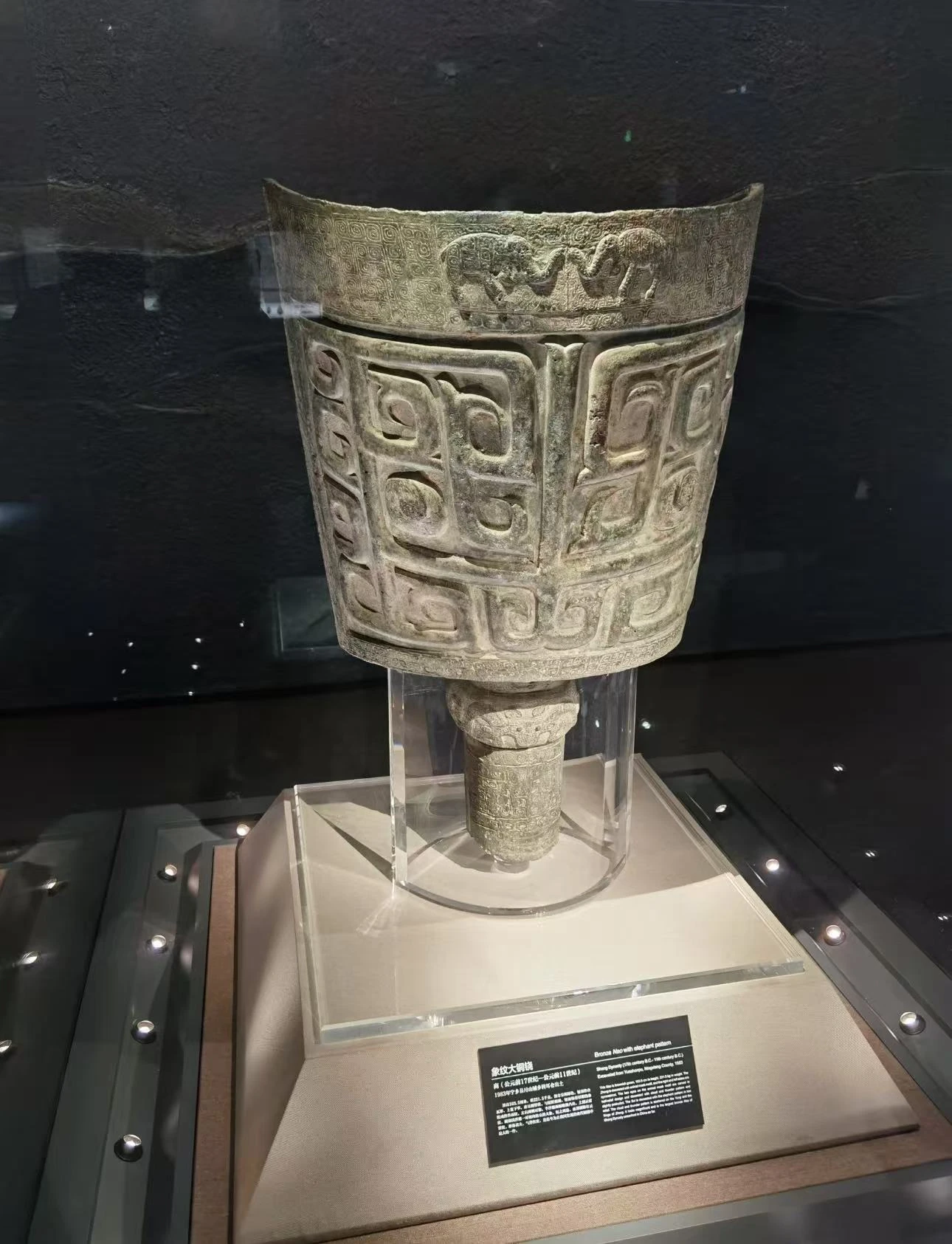
Shang Dynasty Bronze Nao with Elephant Motif
A broad silhouette, a richly decorated surface, and the quiet dignity of bronze. Ritual objects offer a glimpse into the beliefs and craftsmanship of ancient Hunan.
A journey through time
Read a City's Story Through Its Museum.
Discover a City Through Its Museum.
A place where the past
speaks to the present.
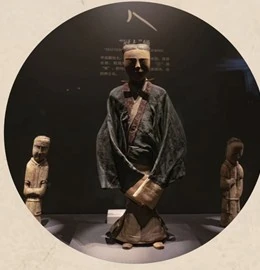
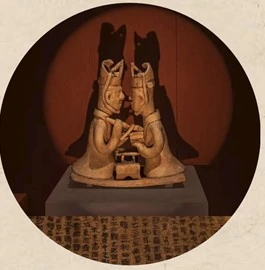
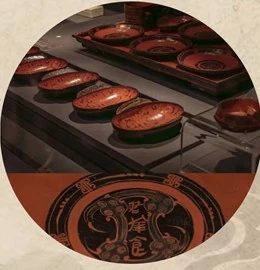
Located in Changsha, Hunan Museum preserves and displays a rich collection of historical treasures and cultural heritage. Through its artifacts, visitors can travel through time and discover the history, culture, and memories of Hunan.
The memory of a city,
preserved within these walls.
From the bronze age to the warmth of daily lives, each painting and everyday object carries a story. Explore the collection and discover the people, traditions and ideas that shaped Hunan.
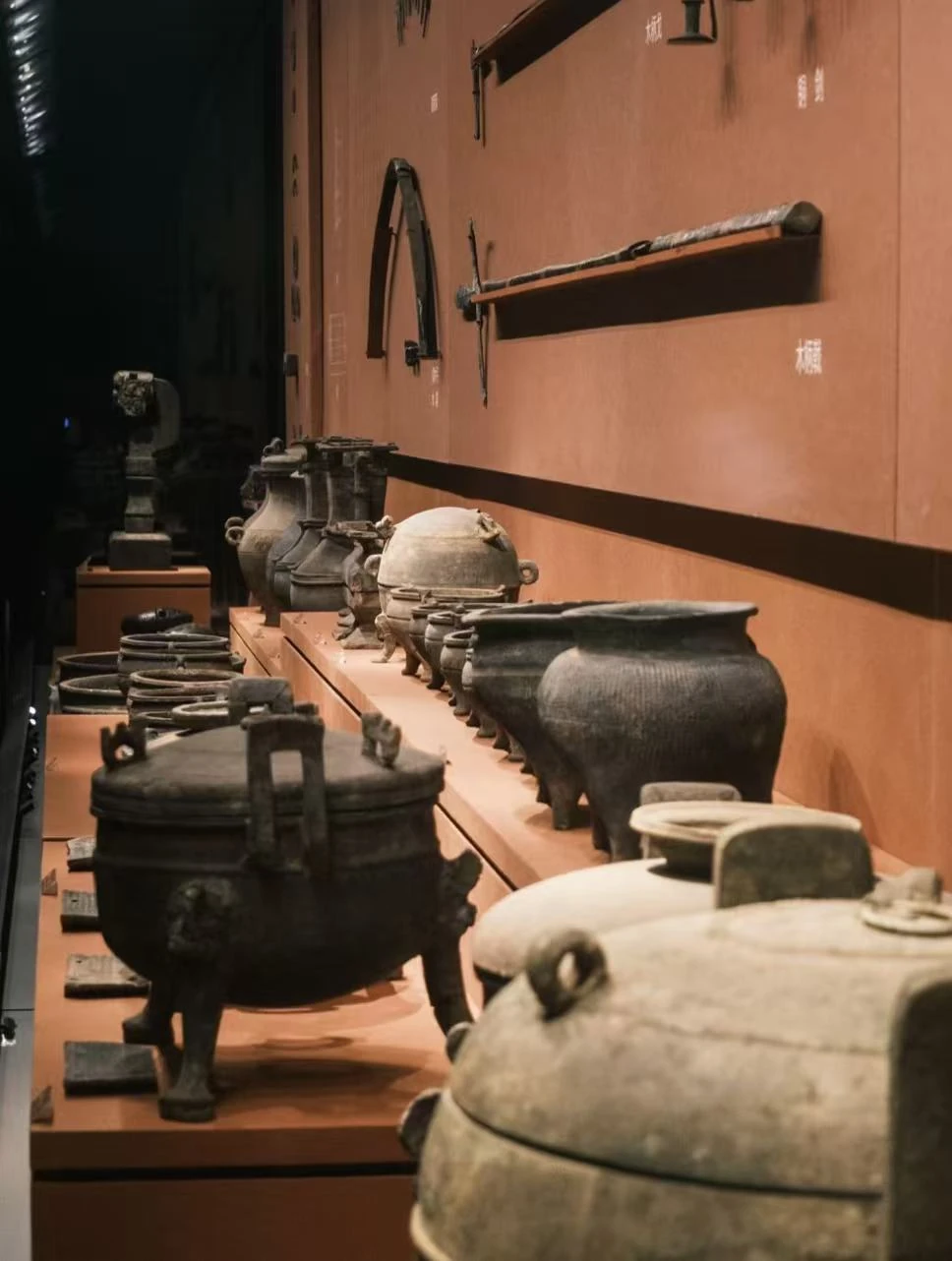
A broad silhouette, a richly decorated surface, and the quiet dignity of bronze. Ritual objects offer a glimpse into the beliefs and craftsmanship of ancient Hunan.
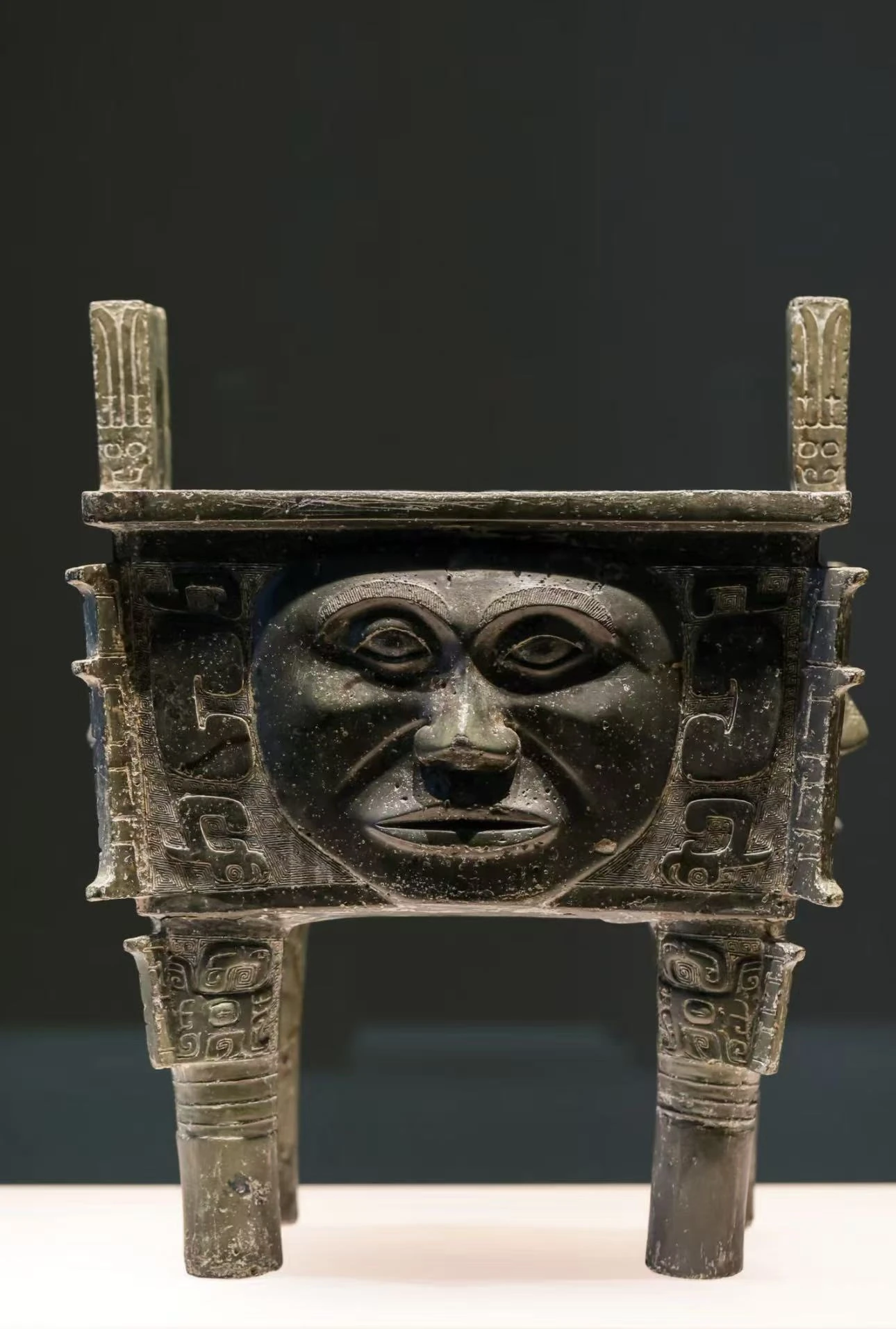
A striking face looks out from the body of this square vessel. Its strong handles, geometric patterns and tall legs create an unforgettable silhouette.
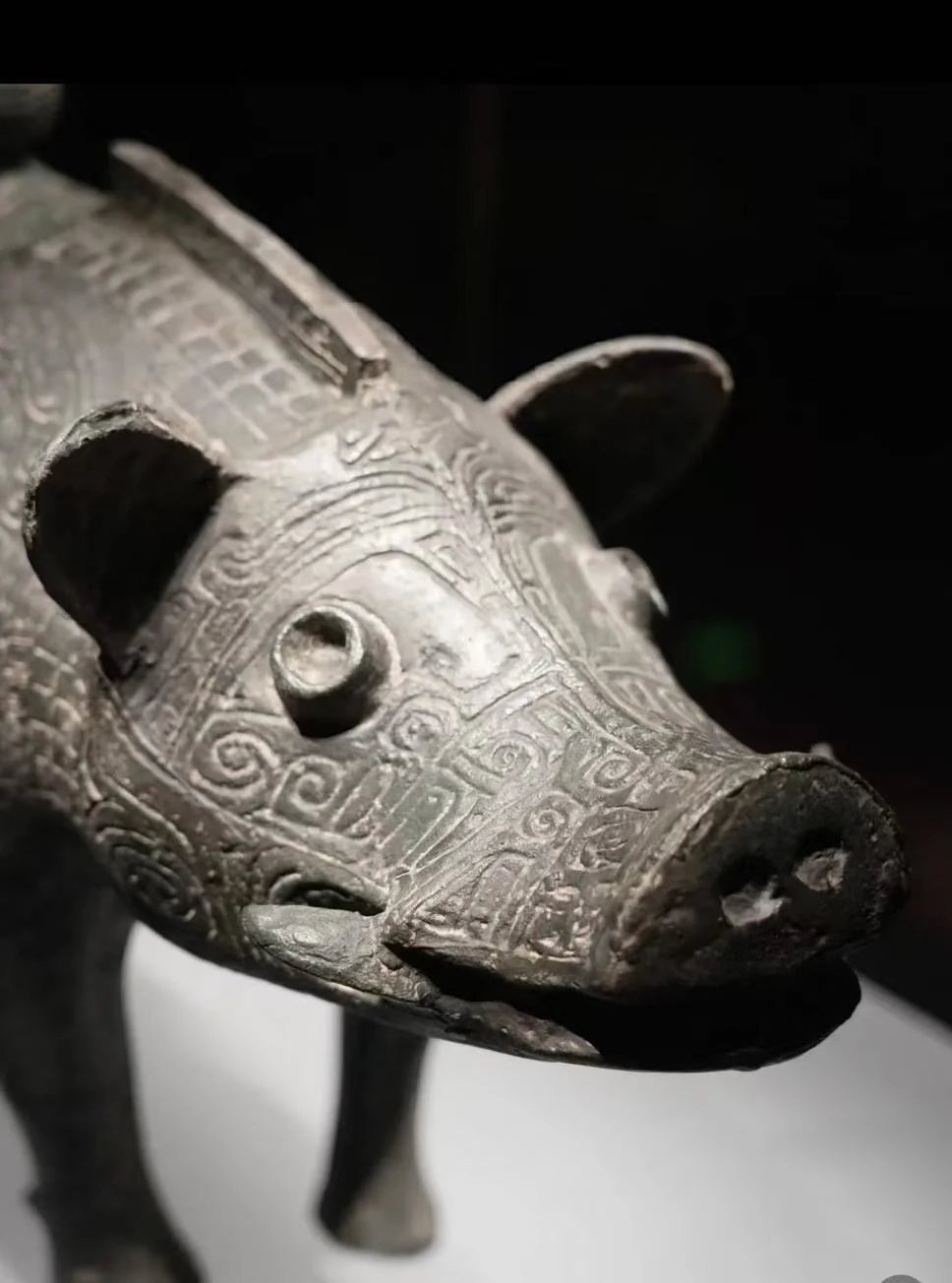
A familiar animal becomes a remarkable ceremonial form. The rounded body and expressive profile bring together natural observation and bronze craftsmanship.
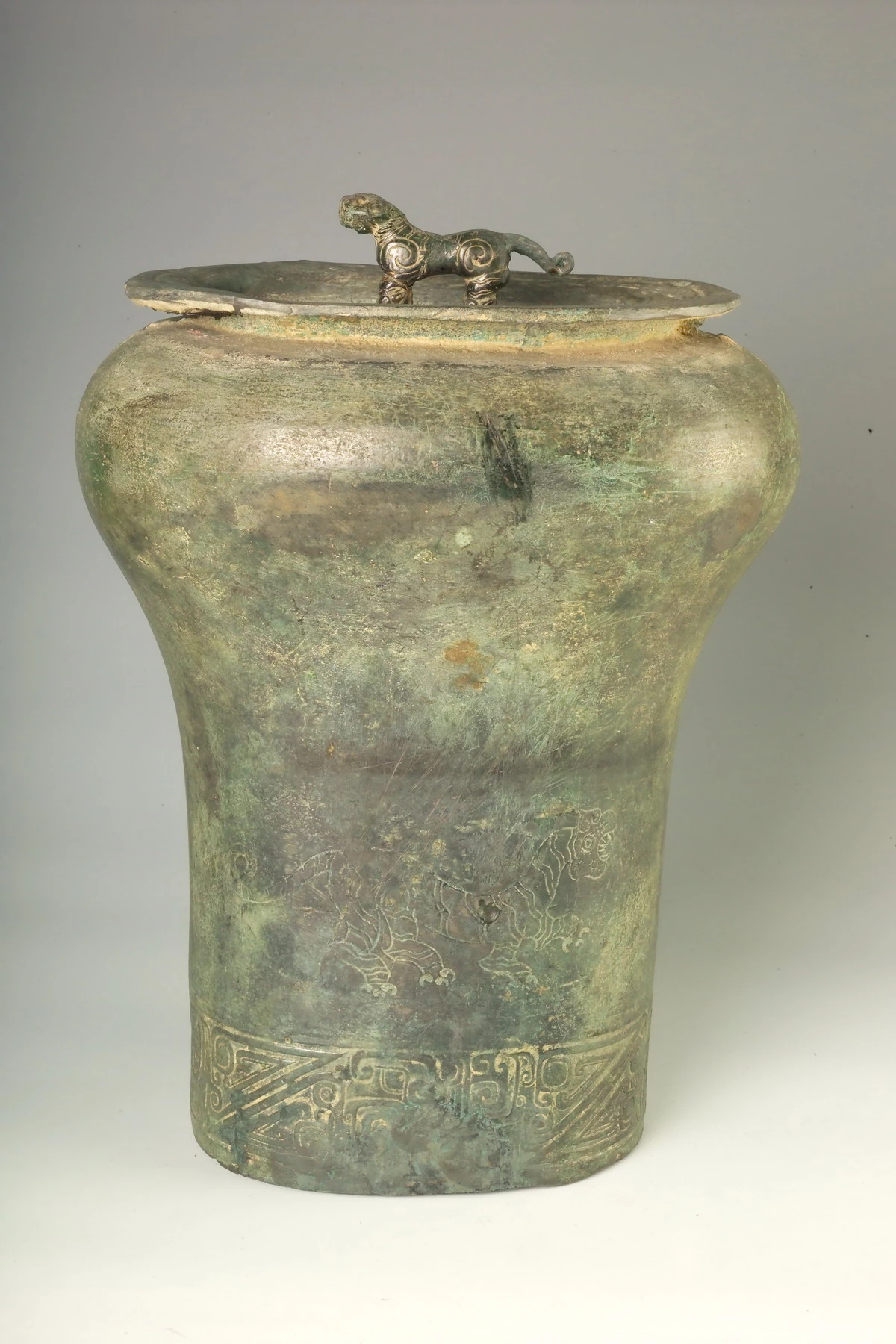
A rounded bronze vessel with a sculptural handle. Its patinated surface and delicate decoration preserve the skill and imagination of ancient craftspeople.
Discover more of Hunan
in this exhibition.
From ancient artifacts to contemporary exhibitions, from historical stories to cultural encounters, each exhibition opens a window into the past and brings the stories of Hunan into the present.
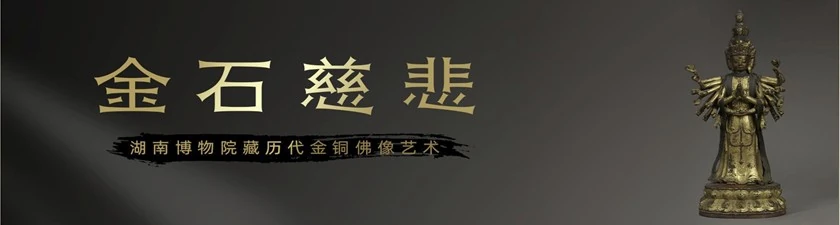
Explore the gentle expressions and intricate forms of Buddhist sculpture, where faith and craftsmanship meet in metal.
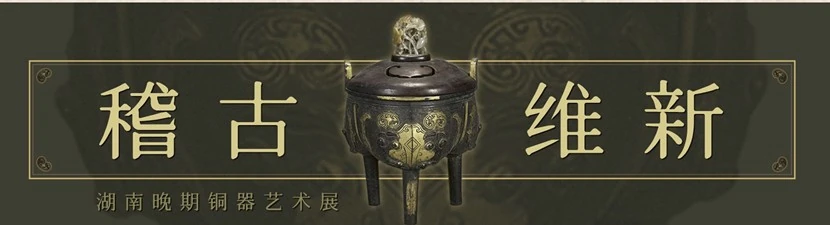
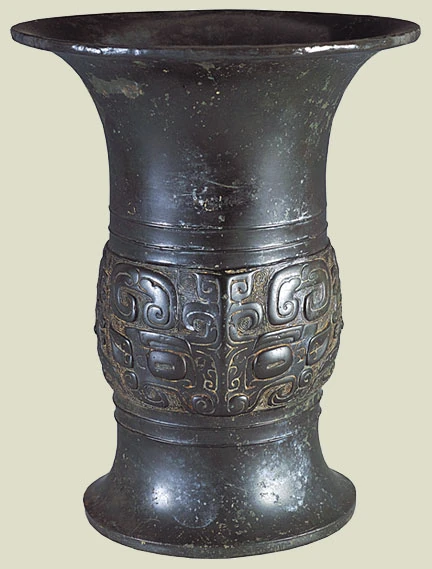
Discover how bronze forms and decorative traditions connect the study of antiquity with fresh artistic ideas.
A world reflected in bronze. Discover the balance of geometry, ornament and everyday life through the art of the mirror.
Every floor,
a different discovery.
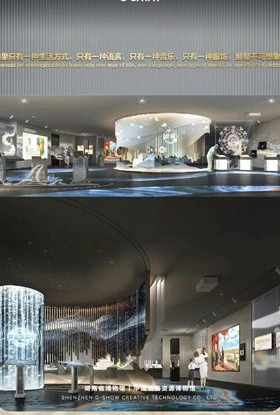
Start your journey through the museum here. Follow the gallery map, explore different exhibition spaces, and discover your own path through artifacts and stories.
Plan your visit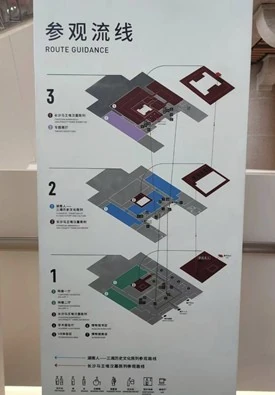
Check the museum's official visitor information for admission arrangements and special exhibitions.
Review the current reservation requirements before your visit and bring the requested identification.
Ask at the information desk about available tours, exhibition routes and visitor services.
Student design reference only. Please confirm current arrangements with the museum.
From its establishment, Hunan Museum has been dedicated to the collection, protection and understanding of cultural heritage. Through its collections, exhibitions and learning spaces, it connects the stories of the past with the curiosity of people today.
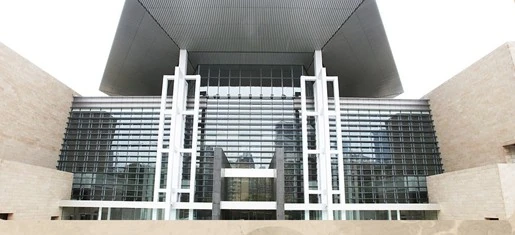
Hunan Museum connects with the world through exhibitions, public programmes and cultural exchange. Explore a place for conversation, learning and inspiration, where shared stories bring people together.
Collection / A closer look
Look closely at the broad mouth and patterned bronze surface. The photograph shows the object displayed on a museum stand.
Begin with the outline of the object: the wide opening, the narrowing body and the strong base create a clear vertical rhythm. The contrast between its broad upper edge and compact lower section gives the bronze a sense of weight and balance. Looking at the whole form before examining its decoration helps reveal how each part contributes to the design.
Move closer to the photograph and follow the raised patterns across the surface. Lines, curves and changes in depth catch the light differently, making the decoration easier to read in some areas than in others. The elephant motif named in the object title offers a starting point for thinking about the relationship between animal imagery and the shape of the bronze.
Compare the decorated body with the relatively simple outline. Notice where the pattern appears dense and where the eye can rest. Imagine viewing the object from a lower angle, then from above: its proportions would feel different from each position. This kind of slow observation turns a first impression into a more detailed understanding of the object.
Take your time to explore the image above. Scroll within this panel to continue reading.
Collection / A closer look
The front of this square bronze vessel carries a distinctive human face. Upright handles and tall legs frame its sculptural body.
The most immediate feature is the face on the front of the vessel. Look at the arrangement of the eyes, nose and mouth, and the way these features emerge from the surrounding surface. The face gives the object a strong visual focus and invites the viewer to approach it almost as a portrait.
Step back from the face and examine the vessel as a whole. The upright handles echo the long legs, while the square body creates a firm horizontal centre. These repeated vertical and horizontal lines establish a sense of order. The contrast between the geometric structure and the expressive face makes the design especially memorable.
Trace the outline from one handle down to the nearest leg, then compare the two sides. Where do you see symmetry, and where does the surface appear uneven? Consider how the face changes your response to the vessel. Without that feature, would you notice its shape, weight or decoration first?
Take your time to explore the image above. Scroll within this panel to continue reading.
Collection / A closer look
The rounded body, short legs and pronounced snout transform an animal form into a ceremonial bronze vessel.
This object is introduced through a familiar animal form. Its rounded body, short legs and projecting snout make the silhouette easy to recognise. The combination of these parts gives the pig a distinct character, even before the viewer studies the finer surface details.
Follow the curve of the back towards the head, then look at the change in direction around the snout. Broad areas and small details work together to guide the eye. The photograph also reveals variations in colour and texture across the bronze; these should be observed as part of its present appearance rather than mistaken for a uniform painted finish.
Compare the body with the support provided by the legs. Notice how the animal appears grounded despite its rounded outline. Then focus on a single feature, such as the ear or snout, and consider how much of the animal’s identity depends on it. Returning to the full image after studying these details can reveal a different impression of the whole.
Take your time to explore the image above. Scroll within this panel to continue reading.
Collection / A closer look
The curved handle and textured surface invite a closer look at the craftsmanship of this bronze vessel.
The rounded body and curved handle create two related shapes: one encloses space, while the other frames it. Start by following the handle from one side to the other. Its position above the body gives the object a strong outline and makes the upper portion a natural point of interest.
The tiger-shaped handle named in the title encourages a closer inspection of how an animal form can become part of an object’s structure. Rather than looking only for a complete animal figure, examine the small changes in profile and the relationship between decorative details and the handle’s curve.
Study the surface in the photograph and compare lighter and darker areas. The appearance of bronze can vary considerably across an object, so pay attention to texture as well as colour. Finally, compare the width of the body with the height of the handle. This simple exercise helps explain the visual balance between the vessel and its most distinctive feature.
Take your time to explore the image above. Scroll within this panel to continue reading.
Exhibition / Discover more
A thematic introduction to the artistic language of Buddhist metal sculpture. This is a static exhibition design for coursework.
This exhibition theme invites a close look at the expressive qualities of Buddhist metal sculpture. A figure can communicate through posture, the arrangement of its hands, the inclination of its head and the treatment of its clothing. Begin with the overall silhouette before moving towards the smaller details that give the work its individual character.
Observe how light falls across the face and folds of the clothing. Raised surfaces catch highlights, while recessed areas hold shadows. These contrasts help establish depth and rhythm. Compare the stillness of the figure with the movement suggested by its decorative elements, and consider how both contribute to the atmosphere of the work.
Choose one detail to follow as you look: a gesture, a facial expression or a repeated pattern. Then return to the whole figure and consider how that detail supports its overall impression. The banner is an introduction to the theme; it is not a complete catalogue of the works on display. Allow time for observation rather than relying on a title alone.
Take your time to explore the image above. Scroll within this panel to continue reading.
Exhibition / Discover more
Historic forms provide a starting point for exploring pattern, proportion and the enduring appeal of bronze.
The theme brings attention to the relationship between familiar forms and fresh interpretation. When looking at bronze objects, compare their outlines, proportions, handles and decorative divisions. A shared visual language can appear in objects that otherwise feel very different, offering a useful starting point for exploring continuity and change.
Look at how ornament is organised across a surface. Some designs draw attention to a central feature, while others establish a repeated rhythm. Consider the relationship between decorated areas and open space. The proportions of the body, neck and handles can also change the character of an object, making it appear restrained, imposing or delicate.
Choose two details from the exhibition imagery and describe them in simple visual terms. Ask what seems similar and what has changed. Avoid assuming that similar decoration means identical purpose or date. Careful comparison provides a way into the exhibition’s theme while leaving room for the object labels and curatorial interpretation to supply historical context.
Take your time to explore the image above. Scroll within this panel to continue reading.
Exhibition / Discover more
Circles and squares create a visual language that connects useful objects with decorative expression.
The exhibition theme uses geometry as a way to approach bronze mirrors. Circles, borders and central features organise a surface and direct the viewer’s attention. Start at the outer edge and move towards the centre, observing how each band or change in pattern contributes to the overall composition.
A mirror can be considered both as an object of use and as a designed surface. Thinking about these two aspects encourages a closer reading of its form. Imagine turning an object in your hands: the experience of its weight, outline and texture would differ from viewing a single photograph or a flat display image.
Follow a repeated shape around the composition and notice where it begins, changes or meets another element. Compare dense decoration with quieter spaces, and consider how symmetry affects the overall balance. The title provides a useful prompt for observation: where do you see circular movement, and where do straight lines or square forms create a contrasting structure?
Take your time to explore the image above. Scroll within this panel to continue reading.